
Selected Writing
-
Interdisciplinary Collaboration
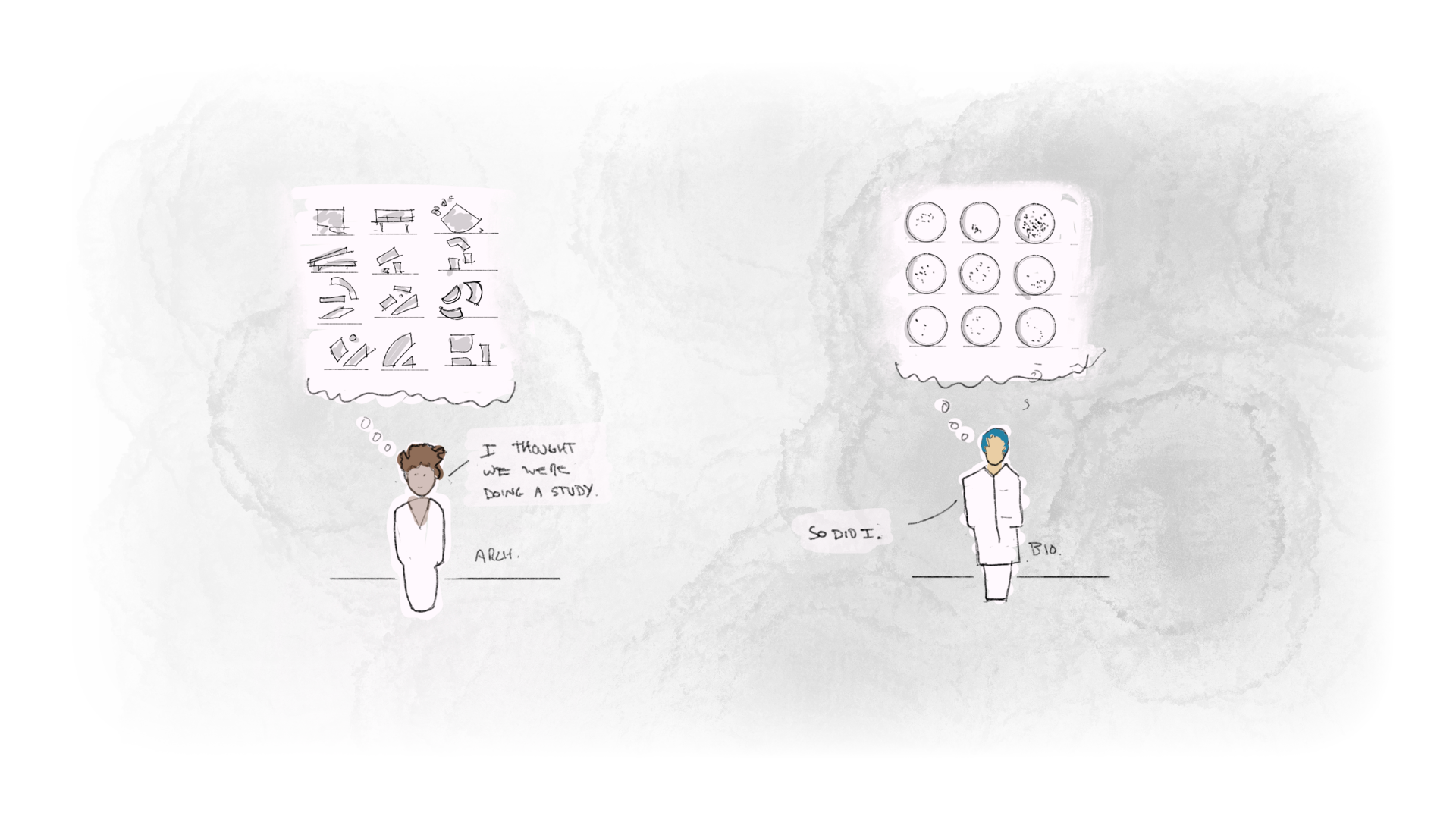
Going Beyond Transactions: Frameworks for collaborating in systemic settings
Abstract: Interdisciplinary collaboration is critical to addressing the extraordinary challenges that are of concern to the systemic design community. Given the importance of such collaboration, especially for ill-defined and unbounded problems, there is surprisingly little training or support to guide designers, academics, and practitioners in framing interdisciplinary collaboration. This lack of scaffolding means that collaborations more often resemble a contractual exchange than shared intellectual work. This paper presents and explores several illustrative examples and articulates two distinct modes of interdisciplinary collaboration: Relational Interdisciplinary Collaboration and Transactional Interdisciplinary Collaboration. A mode can be defined as a way of thinking, doing, communicating, and managing a collaboration. Analysis of these modes is approached through six attributes: the collaborative foundation, power relationships, language and means of expression, approaches to risk, products of the collaboration, and the potential for transformative outcomes. These attributes help distinguish between the two modes and serve to guide organizations in ways to construct and support more effective cultures of collaboration.
-

Prototyping for a systems context
The Failures of Prototyping: A call for a new definition
Abstract: Design thinking is increasingly used to address more complex, systemic challenges. Yet one of its core elements, prototyping, has been underutilized in these dynamic contexts. In order for designers to make a meaningful impact on complex, interconnected, and systemic problems, we need to expand the way we conceptualize the practice of prototyping. This paper highlights the way prototyping is conceived through academic and industry literature and illustrates the ways the current understanding limits the efficacy of this practice for systemic challenges. A new definition that harnesses practices from design thinking, participatory design, and critical making is proposed. This new approach aligns with the Breaks in Scale theme by demonstrating how microscopic and macroscopic perspectives can coexist. This revised conceptualization unlocks the full potential of prototyping by shifting the focus from validation and evolution to a tool for learning that will help designers to address systemic challenges in ways that are faster, less risky, and more creative than our current approaches.
-

Serious Games for systems
Replicating the Unpredictable: Board Games as Prototypes for Wildfire Evacuations
Abstract: As the frequency and scale of wildfires grows it is critical that communities in fire prone areas are able to develop and implement effective evacuation procedures. Yet, despite the high degree of danger associated with wildfire evacuations, there are very few chances to explore these types of procedures in a way that are low-risk, iterative, and leverage local knowledge. Very little progress has been made on the way we might "prototype" evacuation events. This paper draws on an expanded notion of prototyping and demonstrates the ways a board game has been used to develop greater understanding of wildfire evacuation procedures. The game supports cross-disciplinary collaboration, insights from the community, and elevated an understanding of a highly complex scenario. The findings suggest a rich potential for the ways games can be used to quickly explore other complex systems with minimal risk in dramatically reduced timeframes.